Moving to Boise: What to Know Before You Make the Jump
Rachel Dau • August 25, 2024
If you are seriously thinking about moving to Boise, there are a handful of questions that come up again and again. Some are practical, like whether you need snow tires. Some are financial, like how people are buying homes with today’s rates. Others are about timing, jobs, remote tours, and all the new confusion around buyer agent commission.
The good news is that moving to Boise does not have to feel like a mystery. A lot of the stress comes from piecing together outdated advice, half-truths online, and stories from people whose situation has nothing to do with yours. What works best is understanding the market as it is right now, how relocation actually works, and where flexibility exists.
So if moving to Boise is on your radar, here is the real-world breakdown of what matters most.
Do you need snow tires in Boise?
For most people moving to Boise, the short answer is no.
That surprises a lot of folks coming from warmer states, especially California, Arizona, or Florida. Snow sounds intimidating if you have not dealt with it much. But Boise is not North Idaho, and that distinction matters. The Treasure Valley usually gets a fairly manageable winter. Snow comes, but it often does not stick around long. A storm can roll through, drop a little accumulation, and then a couple days later it is mostly gone.
The bigger key is not the tire brand or the vehicle badge on the back. It is how we drive. Slower speeds, extra stopping distance, and leaving early make more of a difference than people think. Panic causes more problems than the weather does.
If you are nervous about winter driving after moving to Boise, one simple trick helps a ton. Find an empty parking lot after a snowfall and get a feel for how the car responds. Learn what sliding feels like. Learn how the steering reacts. That little bit of practice can go a long way.
Also, ice is the real issue, not fluffy snow. Fortunately, Boise generally has less of the nasty icy mess that creates the worst driving conditions. And when roads truly are bad, the smart move is to stay home, not pretend we are all suddenly race car drivers.
So no, most people do not need to rush out and buy snow tires the moment they start moving to Boise. Common sense goes further.
How buyers are affording homes right now
This is one of the biggest questions people ask when considering moving to Boise: how are people making these payments work with higher interest rates?
One major answer is the temporary rate buydown. You will sometimes hear this called a seller-paid or builder-paid buydown. Instead of permanently paying a huge amount upfront to reduce the rate, this structure lowers the rate temporarily for the first year or two. That creates a smaller monthly payment in the beginning.
In practical terms, this can reduce a payment by a few hundred dollars a month, sometimes even more, depending on the home and loan structure. Year one gets the largest benefit. Year two gets a smaller one. By year three, the payment settles into the full note rate.
Why does that matter? Because it gives buyers breathing room. It creates a window where they can settle in after moving to Boise, keep more cash on hand, and potentially refinance later if rates improve.
That said, there is no universal perfect loan structure. Some households have strong cash reserves. Some have gift funds from family. Some are trying to preserve as much liquidity as possible. Some need a lower initial payment. Others need a different strategy entirely.
The important takeaway is this: if you assume every buyer is just swallowing a giant payment with no strategy, you are missing the full picture. Many are using creative but legitimate financing tools that fit the current market.
And the current market for moving to Boise buyers does offer opportunities. In many cases, buyers are negotiating seller credits, builder incentives, and more favorable terms than they could have gotten a few years ago when competition was absolutely out of control.
What to know about the job market before moving to Boise
The job question really has two sides.
First, there is the practical relocation side. Can your income qualify you to buy here if you are moving to Boise? If your employer allows full remote work and your pay stays the same, that is usually the cleanest path. Remote employees often have the smoothest transition because the income continues without interruption.
Second, there is the actual local opportunity side. Boise and the surrounding valley do see people land jobs quickly, but the details matter. If your current company has an Idaho transfer option or another office here, that can be a great fit. If you have an offer letter from a new employer in the area, that may also be enough to move forward with financing before your first day on the job, depending on the specifics.
The offer letter route is especially important for people moving to Boise on a tight timeline. In some cases, buyers can close close to their start date, and in stronger scenarios, even a bit before. But the document has to be structured correctly. Lenders typically need to see things like a start date, guaranteed pay, and the job terms clearly stated.
Where people run into more trouble is when their business or role does not transfer cleanly. A business owner with a local client base in another state may need a different plan. Someone in a very location-specific industry might need more groundwork before buying.
That does not mean it is impossible. It means assumptions can get expensive.
There are also more alternative financing options available than many people realize. If someone switched from W2 to 1099 with the same employer, or if a self-employed borrower does not fit the usual box, there may still be a path. It just may not be the standard conforming loan everyone talks about.
That is why general advice from friends and relatives can be so misleading. They may mean well, but if they bought a house under totally different guidelines years ago, their advice may not help much with moving to Boise today.
Why your lender matters more than most people think
Yes, it matters. A lot.
One of the most common mistakes people make when moving to Boise is assuming a lender is a lender, so they may as well just use their bank, the builder’s lender, or whoever answered the phone first. That can go sideways fast.
There is a major difference between someone who is deeply involved in relocation transactions and someone clocking in at a bank branch with limited urgency, limited creativity, and limited availability. We have seen people told they were good to go, only to find out later that their file was shaky from the start. That is not a small problem when you are trying to line up a move across state lines.
Good lending is not just about quoting a rate. It is about asking better questions, structuring the loan appropriately, flagging problems early, and being available when timing gets tight. Real estate does not politely keep banker hours. Offers happen in the evening. Decisions need to be made on weekends. Pre-approval updates sometimes need to happen quickly.
That is especially true when moving to Boise
from somewhere else. You are not juggling just one transaction. You may also be coordinating a home sale, a job start date, movers, school timing, travel, and temporary housing. One weak link can create a domino effect.
Experience also matters in a very real way. There are plenty of people in real estate and lending with licenses but not much repetition. Volume is not everything, but actual hands-on experience across many transactions teaches lessons that part-time participation simply does not.
So no, this is not the place to choose a team based only on convenience.
When is the best time for moving to Boise and buying a home?
The honest answer is that the best time is when your finances, timing, and comfort level line up. But if you are asking whether waiting for some magical perfect moment is a winning strategy, usually it is not.
People love to wait for rates to drop. The challenge is that when rates fall, demand often rises. More buyers jump in. Negotiating power shrinks. Credits disappear. Competition increases. The home may cost the same or more, and the process gets harder.
Right now, many buyers moving to Boise are finding something that did not exist in the frenzy years. They can negotiate. They can ask for concessions. They can get homes at appraised value, and sometimes below, instead of throwing piles of money over asking just to stay in the game.
That is a huge difference.
A good deal is not always the rock-bottom sticker price people imagine. Sometimes a good deal means buying a home for what it is actually worth and receiving credits that improve your monthly payment or reduce upfront costs. Compared to the wild market where buyers were offering absurd amounts over list and still losing, today can look pretty attractive.
For people moving to Boise, there is another layer to timing: your own preparation. Maybe your credit needs work. Maybe your savings are not where they need to be. Maybe your employment setup is not fully established yet. If that is the case, the work you do now is still valuable. Research, planning, credit improvement, and coordinating a timeline are all part of the currency of getting ready.
As for visiting Boise itself, there are some sweet spots. June is a favorite for a lot of people because the weather is pleasant, mornings are comfortable, and summer energy is kicking in. Early fall is another standout. September and October tend to be beautiful, especially with the changing leaves and the clean, well-kept feel around town.
One month that tends to be a little chaotic is March. It can feel like multiple seasons fighting in one day. If you want a more consistent first impression while moving to Boise, there are probably better options.
How to tour homes remotely
This is one area where relocation has changed dramatically for the better.
You do not have to be physically here to make real progress. For many people moving to Boise, remote home touring is the norm, not the exception. Zoom, FaceTime, recorded walk-through videos, and live calls from inside homes all make it possible to narrow options down quickly.
That boots-on-the-ground support is a big deal. Online listings can only tell you so much. They rarely show what the street feels like, what is behind the fence, whether a room feels darker than the photos suggest, or if the layout actually works the way you hoped. A live or recorded tour helps bridge that gap.
If you are planning a scouting trip before moving to Boise, the earlier the better. More lead time makes it easier to build a thoughtful self-guided plan, line up homes, map neighborhoods, and coordinate financing strategy at the same time. A lot of people wait because they feel like they are not ready enough yet, but early conversations usually help more than they hurt.
You do not need to have every detail nailed down before reaching out. You do not need the exact day you are coming. You do not need every credit card paid off first. Often the roadmap gets clearer once the conversation starts.
What is changing with buyer agent commission?
This is one of the more confusing parts of the market right now, and there is a reason for that. The rules around how compensation is displayed have changed, and the adjustment period has created a lot of uncertainty.
Here is the practical version. Sellers can still choose to pay buyer agent compensation. What changed is that this is no longer simply displayed on the MLS in the same way as before. That means more of the conversation now happens through direct negotiation.
For buyers moving to Boise, the implication is simple: representation and negotiation skill matter even more. Builders are still expected in many cases to keep doing business much as they have been, since buyer agents are a major source of their traffic. On resale homes, it may vary more from case to case.
Can buyer agent commission be rolled into the loan? As things stand now, generally no. Financing rules still tie the loan to the value of the actual property, so buyer agent compensation is not something that simply gets added into the mortgage balance like people often hope.
That is why negotiation becomes so important. It can affect whether a transaction works smoothly or whether a buyer needs to bring in more funds than expected.
There is also a strong hope that veterans using VA loans will get sensible flexibility here, because they have earned one of the best home financing benefits available. VA buyers already have unique advantages, including zero down payment potential, and ideally they should not be penalized by rule confusion during this transition.
The broad point is that if you are moving to Boise, this is not the time to go cheap on representation or assume every agent handles negotiation at the same level. The paperwork may be changing, but skill still matters.
If you want a clear, personalized game plan for moving to Boise—financing options, timing, and what to negotiate in today’s market—schedule a quick call with us. Call 208-295-0405
and we’ll help you map out the next steps.
FAQ: Moving to Boise
Do we need snow tires after moving to Boise?
Usually no. Most people in the Treasure Valley do just fine with normal tires, careful driving, and a little extra caution during storms. North Idaho is a different story, but Boise winters are generally milder.
How are people affording homes with current rates?
Many buyers are using temporary rate buydowns paid by sellers or builders. These lower the monthly payment for the first one or two years and can create time to refinance later if rates improve.
Can we buy a home in Boise before starting a new job?
Sometimes yes. A strong offer letter with the right details may be enough for financing, depending on your work history, pay structure, and loan guidelines.
Is moving to Boise easier if we work remotely?
Yes. Remote work is often the easiest setup because your income continues without interruption as long as your employer approves the move and your compensation remains the same.
Should we just use our bank for a mortgage?
Not automatically. A strong independent lender who understands relocation and is available outside regular banking hours can make a major difference in approval strategy, timing, and communication.
What is the best season for moving to Boise?
Early summer and early fall are favorites because the weather is pleasant and the area shows well. March can be unpredictable, so it is not always the easiest month for a first visit.
Can we tour homes if we are still out of state?
Absolutely. Remote tours through FaceTime, Zoom, or recorded walk-through videos are common and can be very effective for relocation buyers.
Do buyers now have to pay their agent directly?
Not always. Sellers can still offer compensation, but it is no longer displayed the same way on the MLS. That means terms may need to be negotiated more directly.
Moving to Boise is a big decision, but it becomes a whole lot easier when we stop guessing and start planning. The weather is more manageable than many people expect. Financing is more flexible than headlines make it sound. Remote house hunting is completely doable. And timing is less about waiting for a perfect market and more about building the right strategy for your household.
If there is one thing worth remembering, it is this: the details matter. The loan structure matters. Your employment setup matters. Negotiation matters. The team you trust matters. When those pieces come together, moving to Boise goes from feeling overwhelming to feeling very possible.
We are your local real estate team focused on helping buyers, sellers, and relocators navigate the Treasure Valley and beyond. From new construction to RV Bay homes, our team combines local expertise with real-world content to make your move easy and informed.
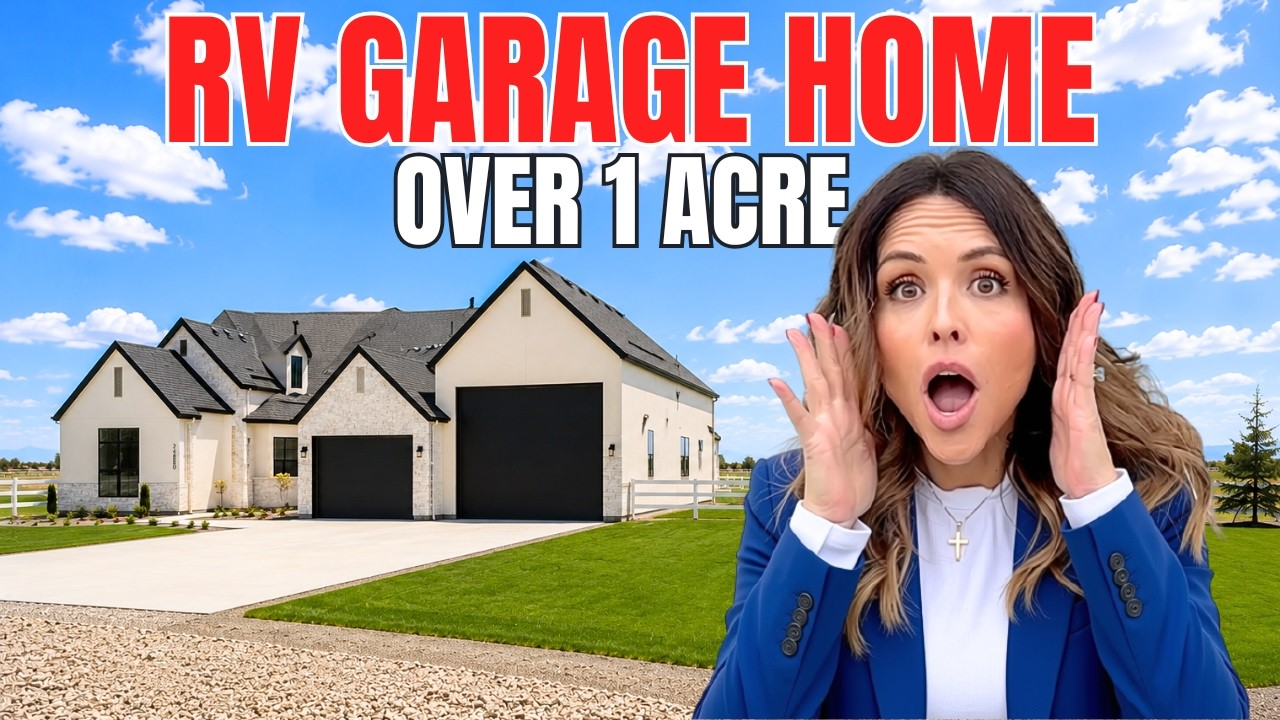
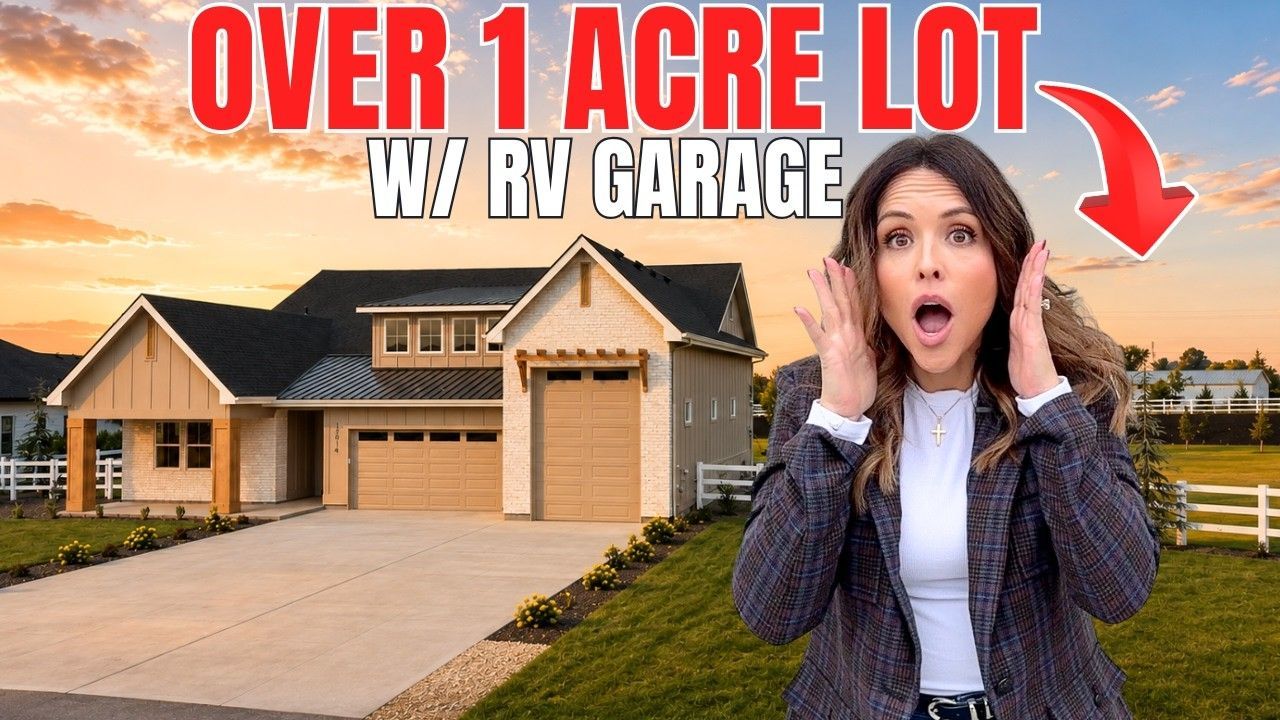
Step inside a new construction home in Caldwell with a double RV garage, modern finishes, and room for all your toys. See what you can get outside Boise.
Avimor in the Boise Foothills is expanding with new lots, homes, and amenities. I break down what's coming to this master-planned community and what it means for buyers.
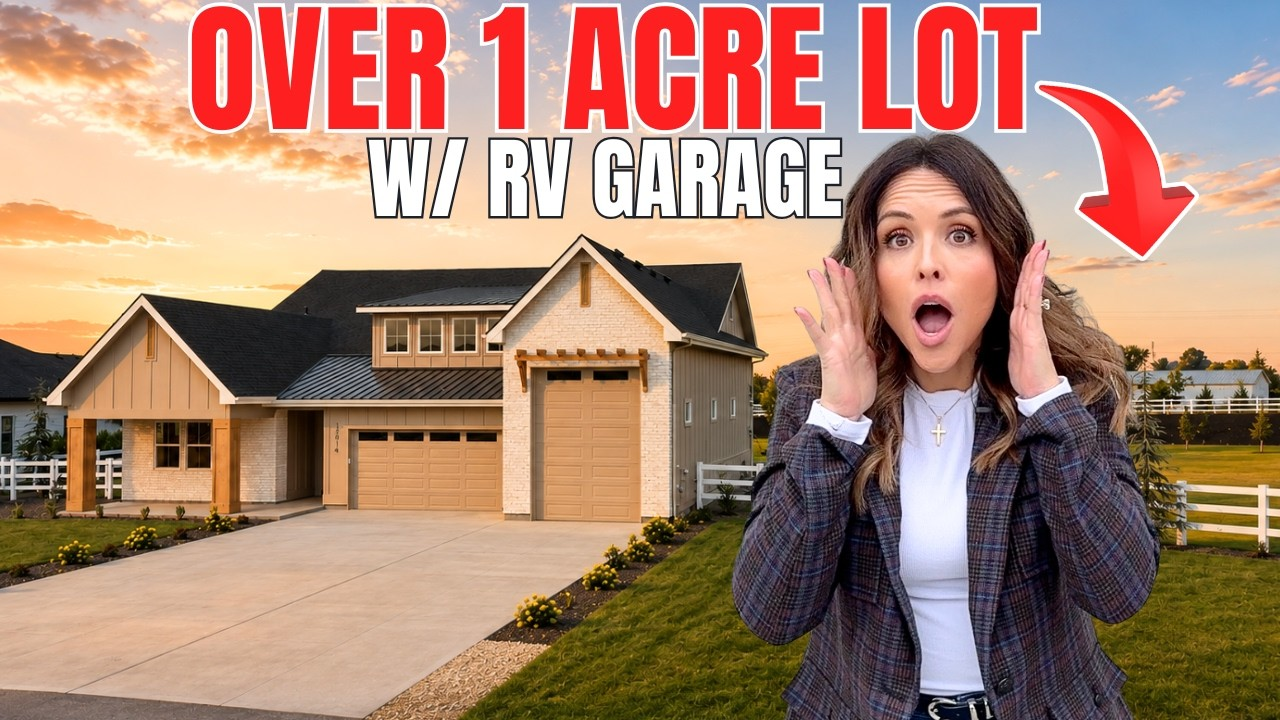
Explore a 2,545 sq ft single-level Caldwell, Idaho acreage home at the Caldwell–Middleton border—3 beds, 3 baths, 1.1 landscaped acres, with RV bay and garage.
Explore Valnova in Eagle, Idaho, a 6,000-acre master-planned community with resort-style amenities, parks, future schools, golf, and more. See what’s coming.
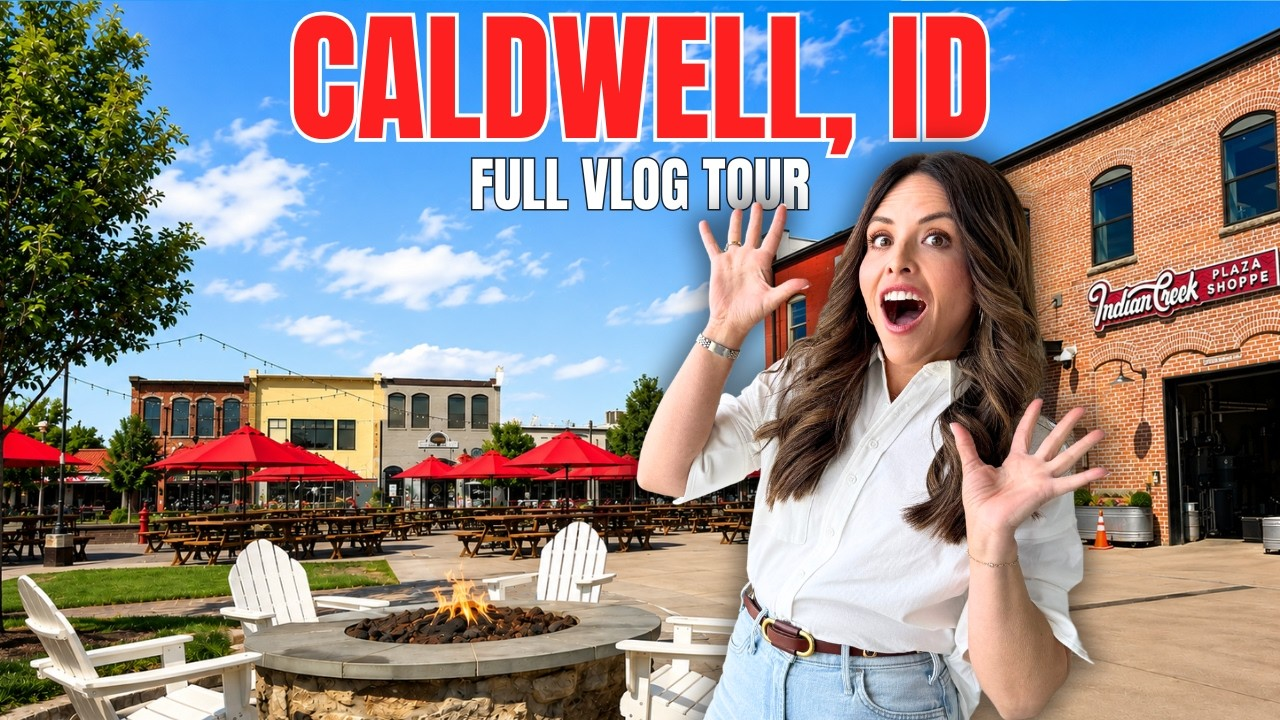
Discover why people are moving to Caldwell, Idaho for country space and affordability—plus downtown fun, outdoor recreation, wine country, and convenient access to Boise, the airport, shopping, and healthcare. Explore lifestyle, safety, and home options.
Explore a featured Middleton, Idaho new home on 1.01 acres with a 45-foot-deep RV bay plus energy-efficient details for practical luxury and acreage living.
Discover a beautiful new home near Boise, Idaho, featuring an RV garage and modern finishes. Learn about the lifestyle and amenities available in this area.
Explore a new construction home near Middleton and Caldwell, ID, on 1.14 acres with an RV bay, covered patio, Thermador ovens, and finished landscaping.
Explore a luxury Downey Construction home in Middleton, Idaho—4 bed/4 bath with Boise River access, water views, low-maintenance outdoor living, smart home automation, a high-end Thermador kitchen, and a massive 50-foot RV bay built for real gear.