Thinking about living in Meridian Idaho? It’s easy to see the appeal: clean streets, shiny new subdivisions, strong schools, and steady resale value. But like any place that has grown fast, Meridian carries a few trade-offs that catch new residents off guard. Below I break down the biggest surprises people notice after moving and point out the specific choices that make life easier or harder once you land here.
This is a practical, no-sugarcoating look at what daily life actually feels like in Meridian — and how to pick the right pocket of town so you avoid the headaches while keeping the benefits.
Table of Contents
- 1. Traffic Is Not What People Expect
- 2. Meridian Is Very Master Planned
- 3. Meridian Isn’t Cheap Anymore — It’s Valuable
- 4. Meridian Is Very Family Centric
- 5. You Are Farther From The Foothills
- 6. Winter Inversion And Seasonal Weather
- 7. New Construction Often Means Immature Landscaping
- 8. It Feels Busier Every Year
- How To Get The Benefits Without The Surprises
- Final Take
- FAQs About Living In Meridian, ID
- Quick Checklist Before Moving To Meridian, ID
1. Traffic Is Not What People Expect
Meridian used to feel like a sleepy suburb. Not anymore. Rapid growth over the past decade has put pressure on roads, intersections, and school zones. The result: congestion that many new arrivals don’t plan for.
If your commute runs along Eagle Road or through the big shopping corridors, you’ll notice delays, especially during afternoon rush. It’s not Los Angeles gridlock, but compared with a small-town rhythm it’s a real adjustment.
The single best strategy is micro-location planning. Which side of Meridian will put you closer to work, school, or the freeway? That choice shapes whether you spend 10 minutes or 35 minutes getting across town.
2. Meridian Is Very Master Planned

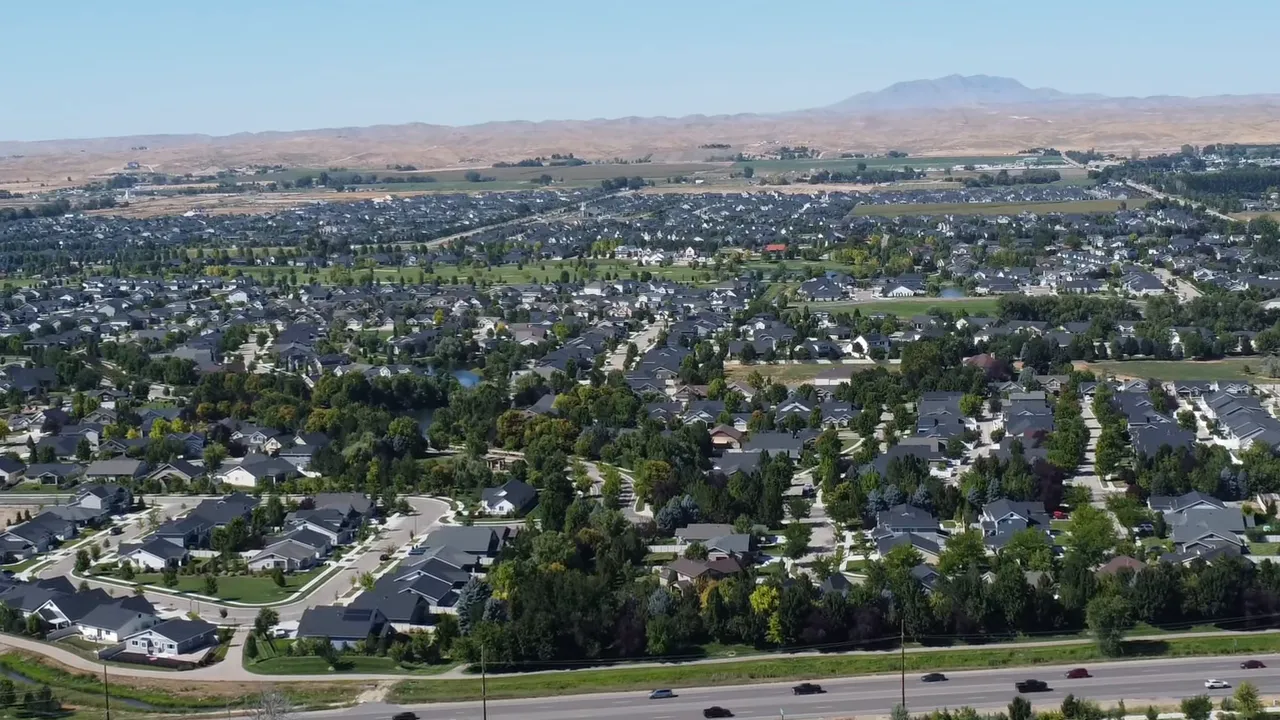
Expect HOAs, consistent architectural styles, community pools, and tidy sidewalks. These master-planned neighborhoods are designed for order and convenience. If you value neat streets, amenities, and predictable resale, this is a win.
If you want quirky cottages, sprawling lots, or zero rules about lawn color, the planned community model can feel constraining. The city has polished subdivisions rather than the historic, eclectic charm found in some older neighborhoods elsewhere.
HOAs here are different from elsewhere
Not every HOA is a strict micromanager. Many local HOAs focus on community building — think holiday parades, pickleball nights, and neighborhood barbecues. They also protect property values by preventing long-term curb clutter like rotting RVs or backyard roosters.
3. Meridian Isn’t Cheap Anymore — It’s Valuable
Once considered the affordable alternative, Meridian’s pricing gap with Boise has narrowed. New inventory, high demand, and strong schools have pushed values up. If you’re expecting 2018 price points, those days are gone.
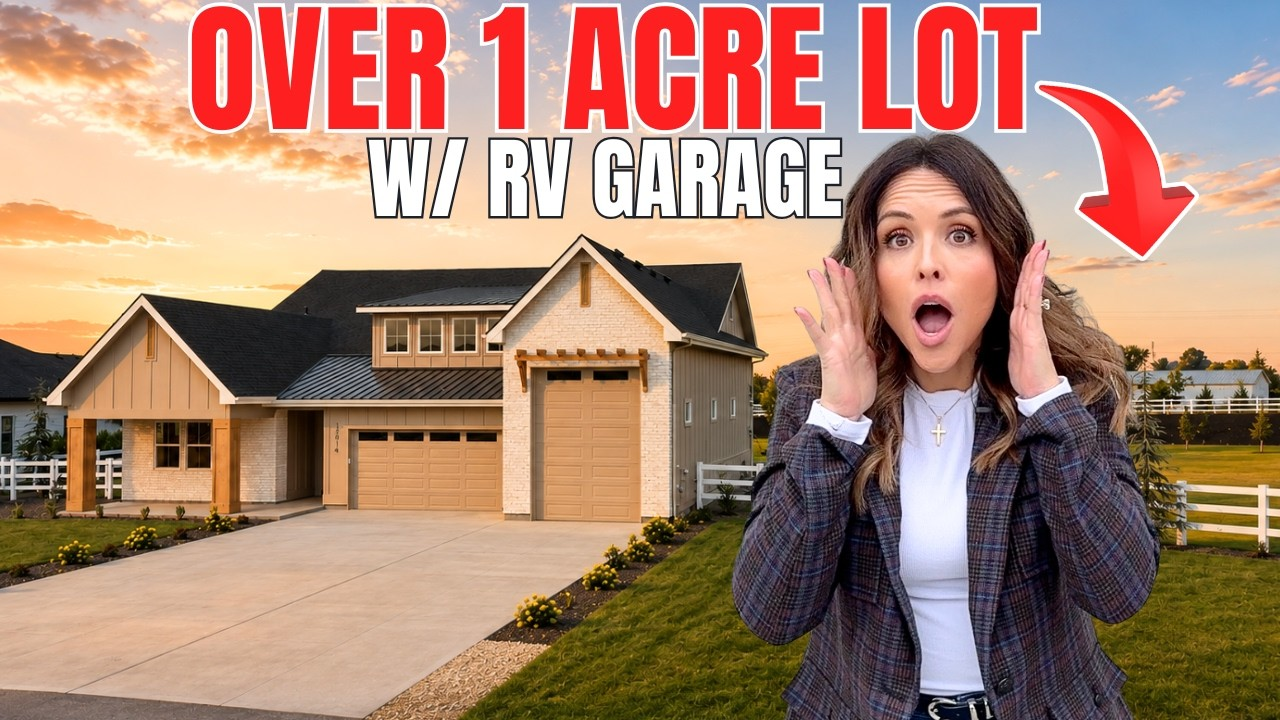
That said, options still exist across price bands. Entry-level homes can be found in the high threes to low fours, while custom estates and sprawling lots climb into the millions. There’s a spectrum — but competition is real.
4. Meridian Is Very Family Centric
If you have kids, Meridian is a dream. Parks, sports fields, family events, and school activities make weekends lively. The Villages and other community centers pack calendars with parades, animal shows, water parks, and seasonal festivals.
If you’re single and want a dense, walkable nightlife, Meridian is quieter — downtown Boise is a 15 to 20 minute drive for that energy. The town’s vibe is suburban comfort, with services and conveniences close at hand.
5. You Are Farther From The Foothills
Outdoor access is a major reason people move to Idaho, but Meridian buyers should know that immediate trailhead access is rarer here. In Boise proper the foothills can be five minutes away. In Meridian you’re typically 15 to 25 minutes from popular trailheads.
That’s still excellent access relative to many places, but it changes the spontaneity of outdoor time. If walk-out-to-the-trailhead is a must, look for specific pockets that shave minutes off the drive.
6. Winter Inversion And Seasonal Weather
Winters bring snow, yes, but another common surprise is inversion. Cold air settles in the valley and creates gray, hazy stretches where skies feel heavy. It’s not a coastal drizzle, and it’s not desert sun year-round — winters are real here.
On the bright side, Meridian enjoys four distinct seasons — crisp autumns, hot summers, and pleasant springs. Know what seasonal rhythm fits your lifestyle before you commit.
7. New Construction Often Means Immature Landscaping
New neighborhoods are full of baby trees, wide-open lawns, and minimal shade. Five to ten years in, those blocks will look lush. At the start, they can feel exposed and "new."
Builders vary. Some developments invest heavily in mature plantings and preserved foliage, particularly when building around old golf courses or river corridors. Other subdivisions built on plowed farmland start with flat lots and small saplings.
8. It Feels Busier Every Year
Growth is the thread behind almost every trade-off listed here. New schools, shopping centers, and rooftops keep appearing. That generates opportunity — more services, better resale, and new amenities — but it also changes the pace of life.
If you long for a sleepy farm town, Meridian’s evolution may disappoint. If you prefer a community with infrastructure and predictable conveniences, that growth is the reason Meridian checks so many boxes.

How To Get The Benefits Without The Surprises
The difference between loving Meridian and being frustrated often comes down to picking the right micro location. West Meridian feels different than North Meridian. Areas close to Eagle feel different from South Meridian. Spend time mapping commutes, school zones, and lifestyle spots.
- Map your daily routes — grocery, commute, school drop-off, and evening activities.
- Prioritize what matters most — a short commute, immediate outdoor access, mature trees, or top-rated schools.
- Ask about landscaping timelines — if shade is important, target older sections or developments that invested in mature plantings.
- Expect HOA rules — they protect property values and community standards, but read covenants closely if you need flexibility.
Final Take
Living in Meridian Idaho delivers a lot: safety, new homes, excellent schools, and strong resale. These benefits come with trade-offs tied to rapid growth and master-planned development. Understanding the realities of traffic, landscaping, family focus, and distance to trailheads helps set expectations and makes the move smoother.
Make decisions with micro-location in mind and you can keep the good parts while avoiding the most common annoyances.
Vie Homes For Sale In Meridian, Idaho
FAQs About Living In Meridian, ID
How bad is traffic in Meridian during peak hours?
Traffic is not gridlock-level for most, but congestion builds around major corridors and school times. Expect delays on Eagle Road and near large shopping centers at peak times. Choosing a home closer to your daily routes reduces commute stress.
Are most neighborhoods governed by HOAs?
Many newer, master-planned neighborhoods have HOAs. These HOAs generally focus on community events and maintaining curb appeal rather than heavy-handed enforcement. If you need more freedom with property appearance, seek older or rural parcels.
Is Meridian still more affordable than Boise?
The affordability gap has narrowed. Meridian is often a better value today than it used to be, meaning you get newer construction and strong schools, but prices are higher than earlier years. Expect competitive markets for entry-level homes.
How close are the foothills and trails?
Meridian is typically 15 to 25 minutes from popular Boise trailheads. If five-minute access is essential, focus on neighborhoods within Boise or very specific Treasure Valley pockets that shave off travel time.
Do winters get gloomy because of inversion?
Inversion can bring several gray days and reduced air clarity during winter. It’s not constant, and summers are bright and warm. Consider how much winter weather impacts your mood when choosing a move.
What’s the best way to avoid the “baby tree” feel?
Target older sections of Meridian or communities built around existing mature landscapes. Ask the builder about landscaping plans and timetables before committing.
Will Meridian keep growing?
Long-term residents say growth is not slowing. Expect continued development, which means more amenities but also more rooftops and traffic. If you prefer slower change, look at less-developed nearby towns instead.
Quick Checklist Before Moving To Meridian, ID
- Drive your intended commute at rush hour.
- Visit the neighborhood on a weekend to gauge noise and activity.
- Ask about HOA covenants and community events.
- Check recent sales to understand true market prices.
- Confirm proximity to trailheads and green spaces if outdoor access is critical.
Living in Meridian Idaho offers a balance: modern conveniences and community infrastructure with the inevitable growing pains of a fast-developing city. Pick your location intentionally, and you’ll keep the upside while sidestepping most surprises.
Read More: Pros and Cons of Meridian Idaho