If you are seriously thinking about moving to Boise, ID, you probably do not need another sugar-coated article telling you everything is perfect. You need the real stuff. The things people actually ask when they are trying to decide whether the Treasure Valley is a fit for their family, budget, values, and lifestyle.
So here it is. The honest version.
We work with people relocating here every day, and the same questions come up over and over again. What do locals really think about newcomers? Is Boise still affordable? Are the schools good? Is the outdoor life actually as good as people say? Does Nampa really smell weird? Are there enough hospitals? Is downtown Boise turning into Portland?
Some of these questions are serious. Some are funny. All of them matter when you are moving to Boise, ID and trying to picture daily life here.
What Locals Really Think About Newcomers
Let’s start with the big one. What do people in Idaho really think about Californians moving here?
Online, you will absolutely run into loud opinions. Keyboard warriors make it sound like anyone arriving from California is getting side-eyed on day one. Real life is a lot different.
The truth is, a huge percentage of people living in the Treasure Valley relocated here too. And right now, plenty of newcomers are coming not just from California, but from Washington and Oregon as well. Around here, that whole migration pattern almost becomes one category: California, Oregon, Washington. The “COW” crowd, if you want the local joking version.
Most people are welcoming. What Idahoans care about more than your old ZIP code is why you are coming. If you are moving to Boise, ID because you want community, safety, family life, space, and values that lean more conservative, you are probably going to feel right at home.
And that community piece matters here. Neighborhood events are a real thing. HOAs often organize get-togethers. Patriotic holidays are a big deal. Christian holidays are celebrated openly. People drag lawn chairs into the driveway and actually talk to each other.
If everyone hated newcomers, those community events would not keep growing. They do.
The Idaho Stereotypes: Potatoes, Guns, and Flags
Do people grow potatoes in their yard?
No. Idaho is famous for potatoes, but potatoes are not even the number one crop here. Corn actually takes that title. Idaho’s potato reputation is partly a great marketing success story, and honestly, we respect that. The “Famous Idaho Potato” branding worked.
Does everyone carry a firearm?
Not everyone, but firearm ownership is very common, and for many people that is part of why they feel safe here. More people carry concealed than open carry, but yes, this is a very pro-Second Amendment state.
One practical note matters if you have kids: ask about gun storage before visiting someone’s house. In a place where firearms are common, not everyone keeps them locked away the same way. That is just smart parenting, plain and simple.
Does everybody have an American flag on their house?
Not everybody, but it is definitely the most common flag you are going to see. If you are coming from areas where the visual culture feels very different, this will stand out right away. Patriotism is more visible here. Support for law enforcement is more visible here. Family and faith are more visible here.
The Parts Nobody Tells You: Smells, Traffic, and Furries
Does Nampa smell bad?
Sometimes, yes. When it smells bad, it smells bad. That odor usually comes from the sugar beet factory.
Now here is the funny part: some people hate it, and some of us think it smells like roasted peanuts. For certain locals, it is not an unpleasant smell at all. It is the smell of agriculture, jobs, and industry. Around here, that can feel like the smell of money.
Do schools really have furries?
This is one of those internet-era questions that somehow became a real relocation question. The honest answer is that weird trends can pop up anywhere kids have social media. But no, this is not something that defines Idaho schools or daily life here. When odd trends show up, most families here still see them as odd.
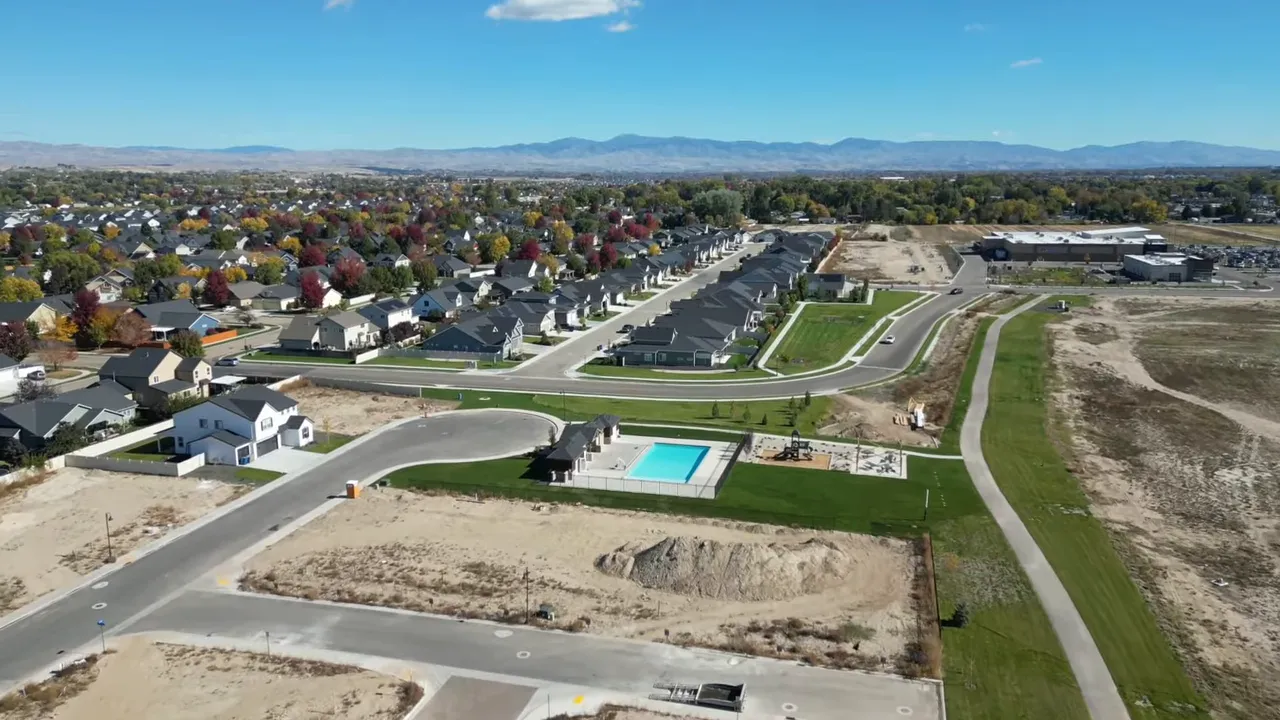
Does the infrastructure support all the growth?
This is where we have to be blunt. Not always.
Idaho is very business-friendly and low-regulation, which has a lot of upside. It helps development move fast. Roads get built faster here than in many states. But the downside is that some areas have grown faster than their supporting infrastructure, especially roads and traffic flow.
That means one of the most important parts of moving to Boise, ID is not just choosing the right house. It is choosing the right pocket of the valley based on your daily routine. In the wrong area, the problem is not crime. It is traffic.
Some master-planned communities are doing this much better than others by front-loading infrastructure and thinking long-term. That matters a lot.
Buying a Home: New Construction vs Resale
In the Treasure Valley, new construction is a huge part of the market. In many cases, more new homes sell here than resale homes.
That surprises people, but it makes sense once you understand the land. Much of this area was farmland. Developers buy that land, flatten and plan everything, then build brand-new communities from scratch.
The downside is obvious. New neighborhoods often come with baby trees and less mature landscaping. If you crave leafy streets, lush yards, and established greenery, resale homes usually win.
But new construction has serious advantages:
- You can often personalize the design, layout, and finishes.
- You may get into a community early and build equity as prices rise.
- You can choose the lot and sometimes even the location within the neighborhood.
- Newer floor plans often fit how families actually live today.
Just do not make the rookie mistake of assuming a new home does not need an inspection. It absolutely does. Even excellent builders can have issues that need to be corrected before closing.
If greenery matters most, resale may be the better path. If personalization, lower maintenance, and strategic timing matter most, new construction can be a very smart play.
View New Construction Homes in Idaho
Everyday Life: Gas Stations, Grocery Stores, and Costco
Is there really no 7-Eleven?
Basically, yes. And after a while, you may not care.
Why? Because Idaho gas stations are weirdly good.
Jacksons, Maverik, Stinker, Fast Eddy’s, Bud’s Marketplace, these are not the sketchy convenience store experiences a lot of people are used to in bigger metro areas. Many are clean, safe, well-kept, and honestly kind of impressive. Around here, a good gas station is a lifestyle amenity.
Also, if you care about the little things, yes, crunchy ice matters. Foam cups matter. Hot dogs and nachos still matter. Idaho understands the assignment.
How many Whole Foods and Costcos are there?
There is one Whole Foods in Boise, and another one is expected near 10 Mile as that corridor keeps developing. The Boise Co-op is also a strong option if you want a local, Whole Foods-style shopping experience with a serious emphasis on local products.
Costco fans, relax. There are multiple Costcos in the area, with more growth coming. If your relocation strategy includes “How far am I from Costco?” you are not alone.
Healthcare, Weather, and Getting Around
Is there enough healthcare?
For most people, yes. The Treasure Valley has two major hospital systems: St. Luke’s and St. Alphonsus. For standard care, urgent care, labor and delivery, pediatrics, and most specialties, people generally find what they need.
Where you need to be more careful is if you have a very specific or rare medical condition. In those situations, it is smart to research providers before moving to Boise, ID. Some specialties may only have one standout provider locally, where a place like Los Angeles or Seattle might have several.
There is also a growing interest here in membership-based healthcare. One example shared was a direct primary care model that covers family medicine and urgent care through a monthly membership, paired with a healthcare sharing plan for bigger events. That approach will not be for everybody, but it is part of the healthcare landscape here and worth knowing about.
Do you need a 4x4 vehicle?
Not for daily life in most of the Treasure Valley. All-wheel drive is nice in winter, especially if you commute early, but plenty of people do just fine without a 4x4 around town.
If you want to get out into the mountains, go four-wheeling, or explore more of Idaho, that is where a capable vehicle starts making a lot more sense.
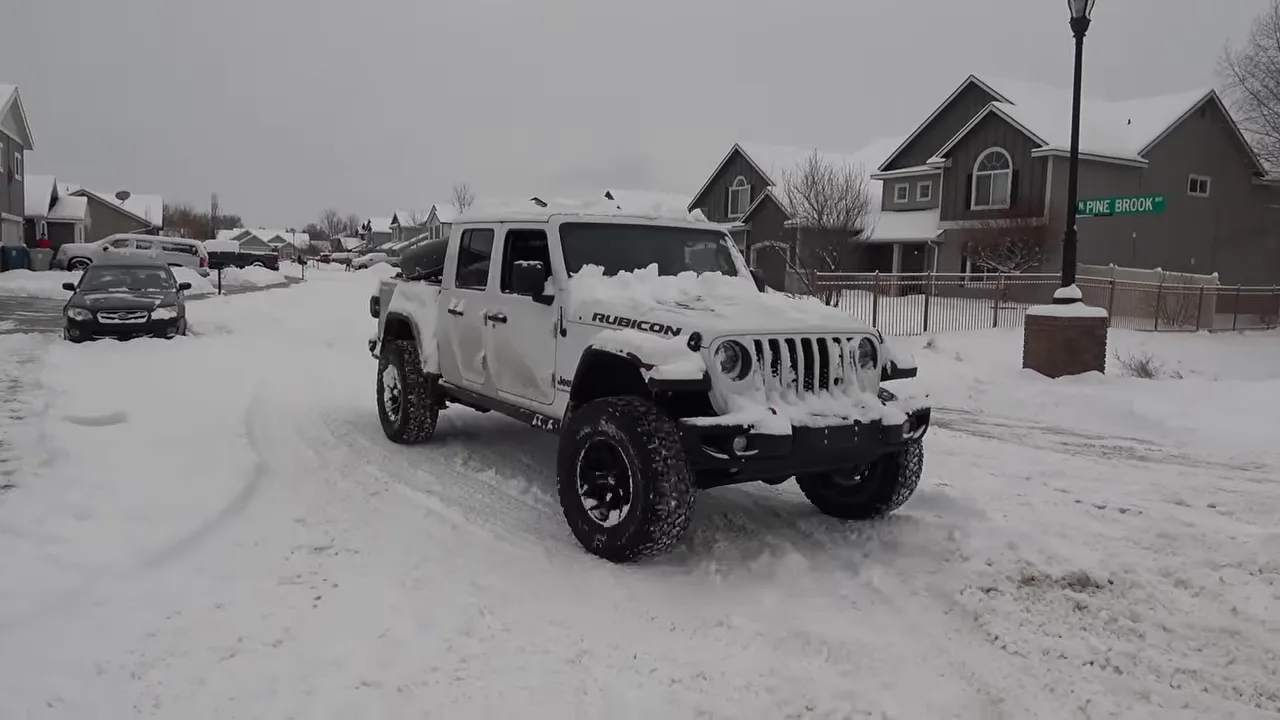
How much snow does Boise get?
Boise is not Northern Idaho. That is important.
The Treasure Valley gets four relatively mild seasons. Winters are real, but they are not usually extreme. Snow comes and goes. Often it sticks around for a couple of days, the kids enjoy it, and then it melts. This is not constant snowpack life.
One bonus season does deserve mention: fly season. Farm country comes with farm realities.
Cost of Living and Home Prices
Housing prices in the Boise area have climbed a lot. That is not a secret. If you are moving to Boise, ID from cheaper parts of the country, you may be surprised.
But compared with many parts of California, Oregon, and Washington, the overall cost of living is still lower in ways that matter month after month.
- Property taxes are low compared with many western states.
- Utilities are generally low.
- Power costs benefit from regional resources.
- Food costs are still manageable overall.
- Taxes are often less painful than what people are leaving behind.
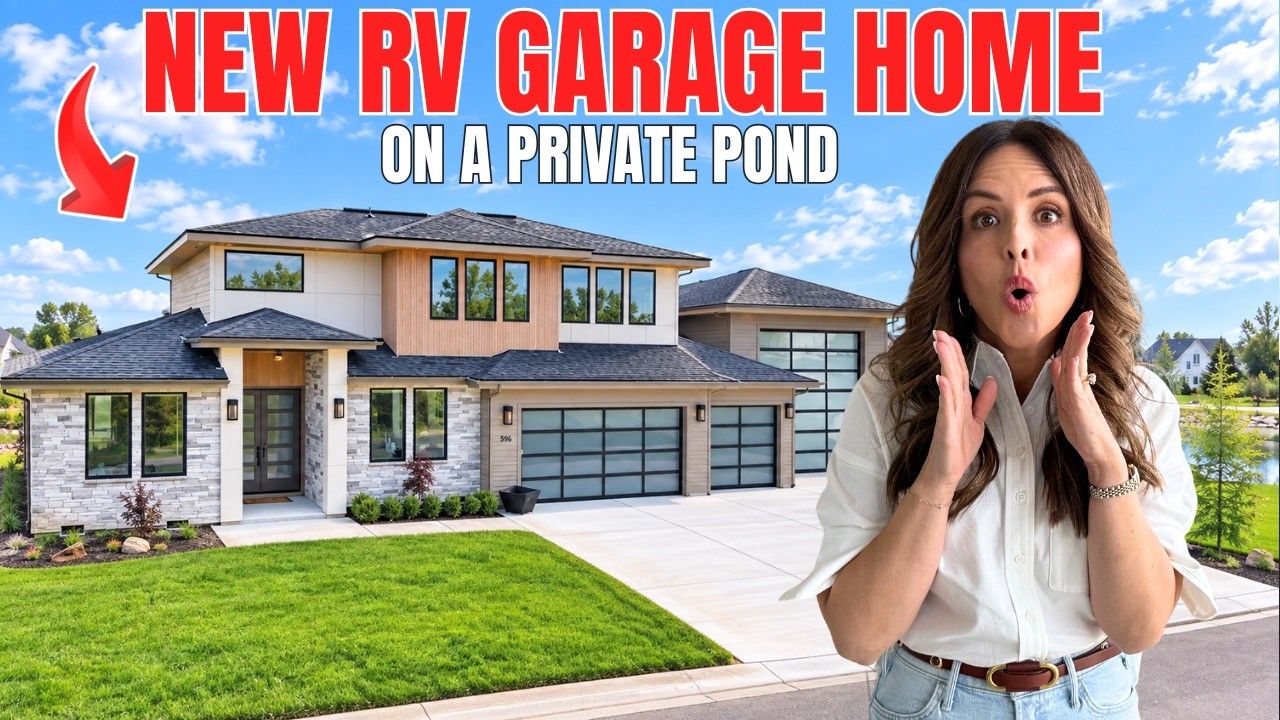
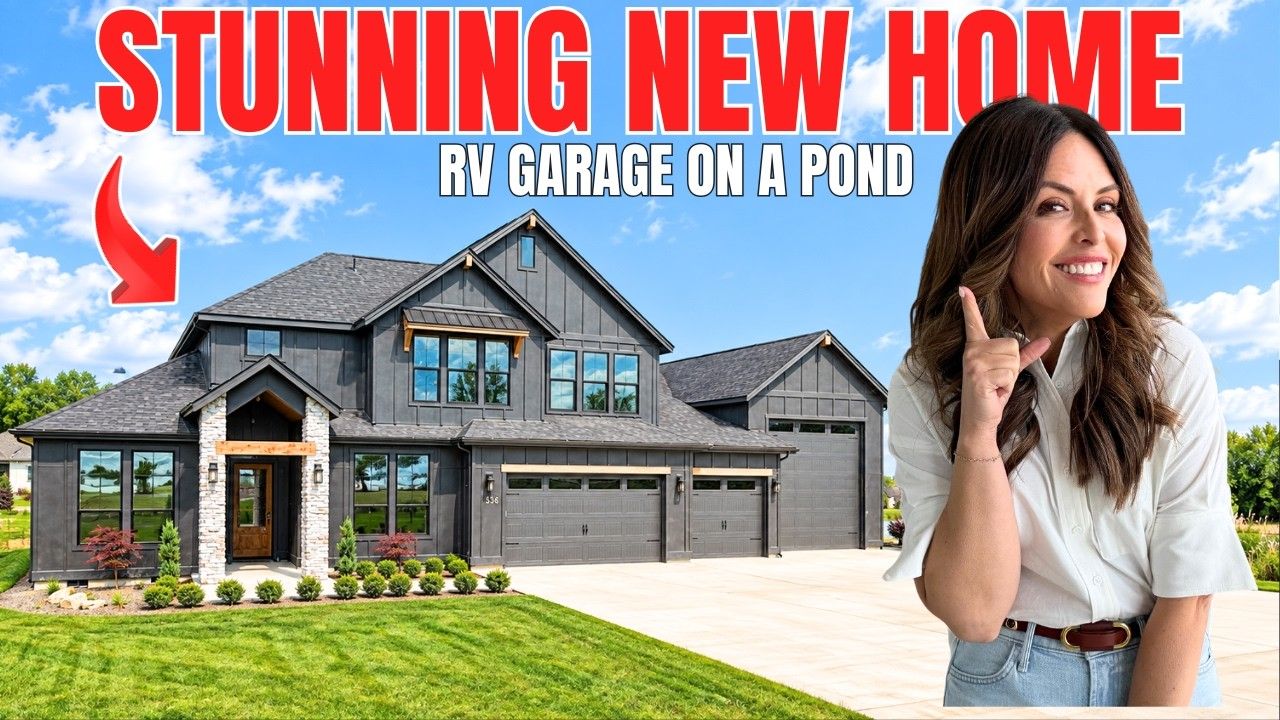
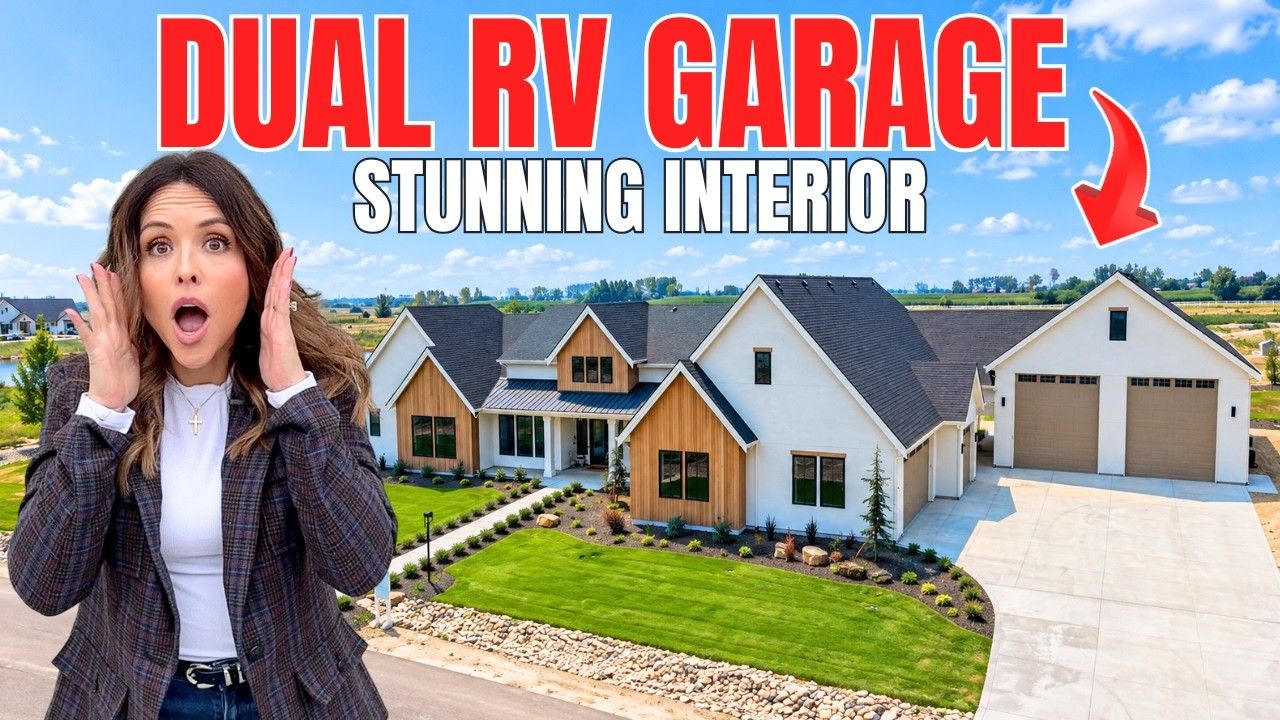
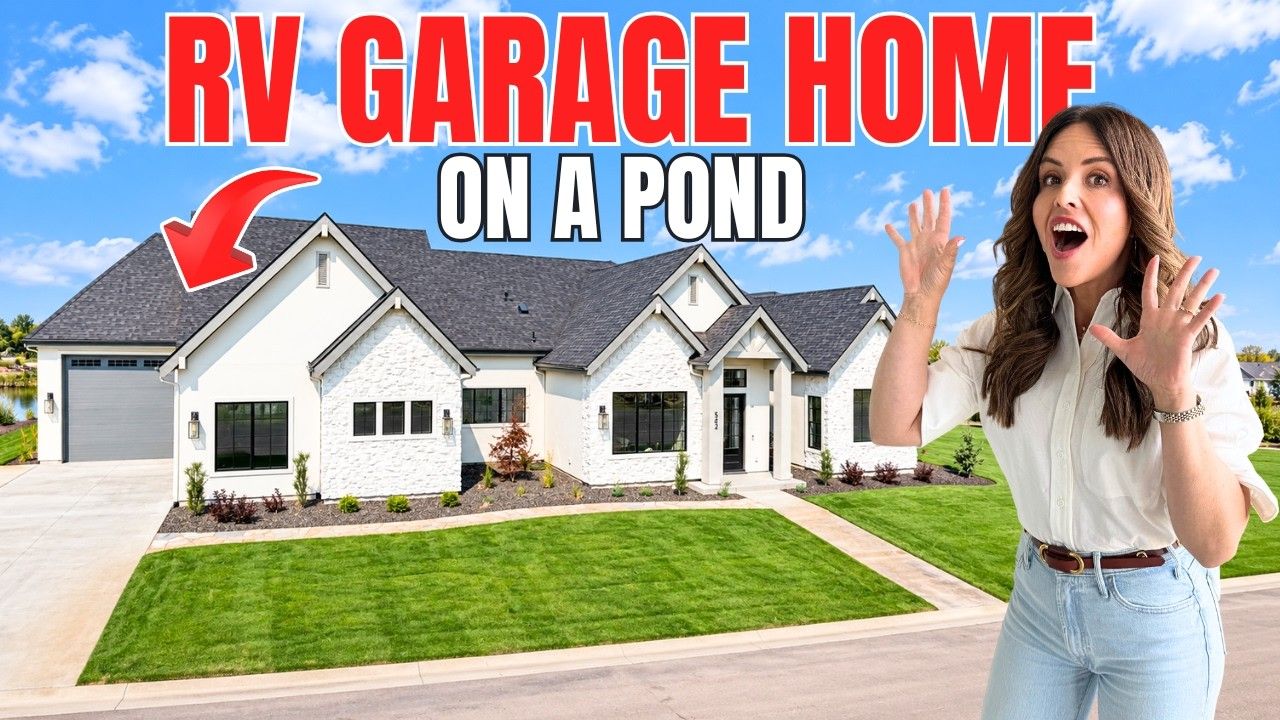
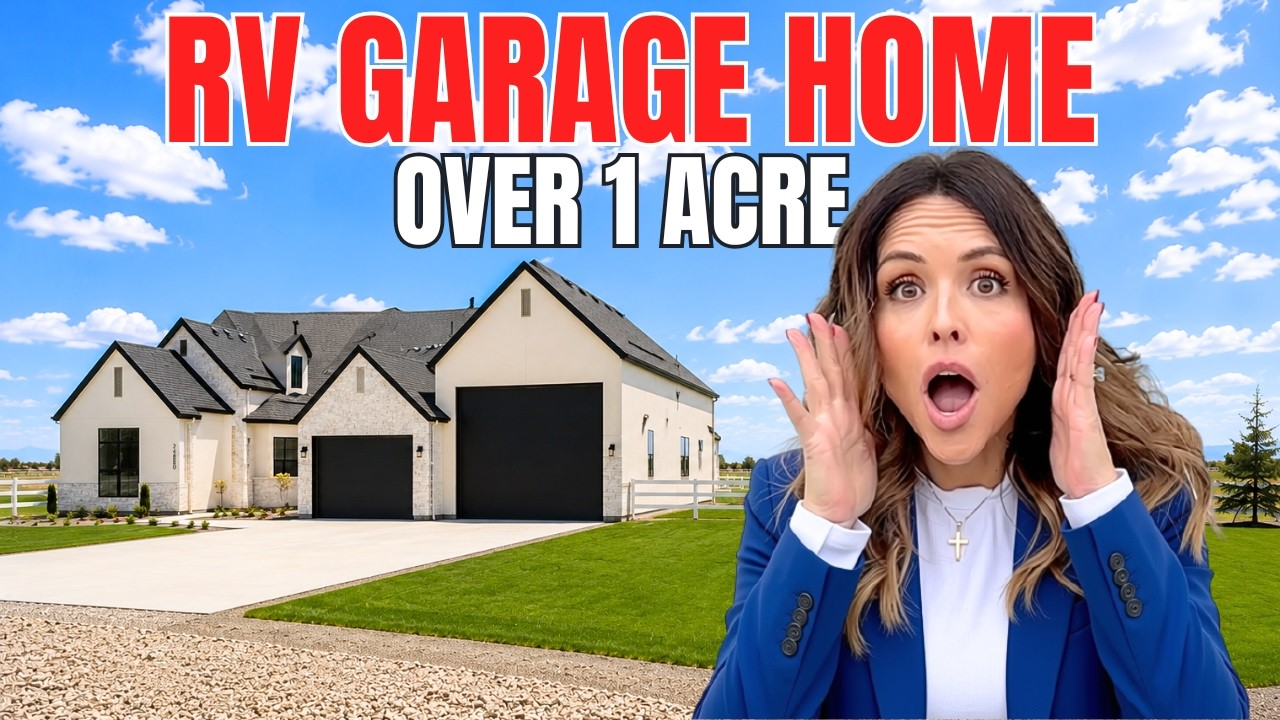
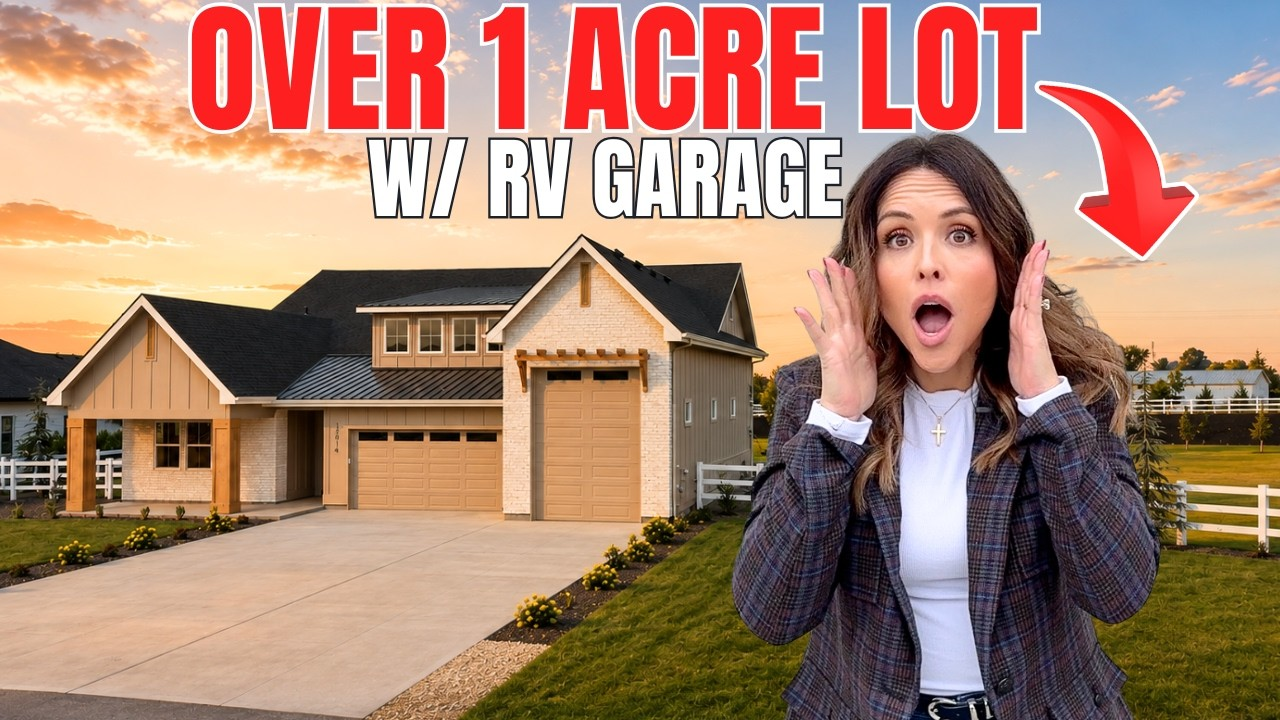
Home price range is one of the biggest strengths of this market. Yes, you can still find new construction in the 300s in some parts of the valley. Yes, there are lots of homes in the 400s. And yes, there are luxury properties well above $1 million, including custom homes with water features, acreage, RV bays, and all the extras.
That range gives people options. It also means the answer to “Can I afford Boise?” depends heavily on which part of the valley you choose.
Schools, Safety, and Community
Are the schools bad?
This is one of the most misunderstood topics when people research Idaho. School ratings you see online do not always reflect what families think they reflect. Some systems rank schools heavily by spending, not simply by outcomes.
The point made here is that Idaho educates kids more efficiently than many states. That matters when comparing rankings. If schools are a huge part of your relocation decision, the smarter move is to evaluate districts and communities directly instead of relying on one national scorecard.
Do people leave their doors unlocked?
Some do, yes. That should tell you something about how safe many people feel here.
Idaho is tough on crime. That shapes the culture. It is not a place with much patience for lawlessness, and that contributes to the day-to-day sense of security many families are looking for when moving to Boise, ID.
What are neighbors really like?
This is one of the best parts of living here.
If you want community, you can find it. But you do have to participate. Do not be the “garage door neighbor” who pulls in, shuts the door, and disappears. Put chairs in the driveway. Grill in the front yard. Say hi. Go to the HOA events. Let your kids play outside. This place rewards people who show up.
For many families, neighbors become chosen family. That is not exaggerated. It happens here.
Outdoor Life, Downtown Boise, and the Big City Question
Is the outdoor lifestyle really that good?
Yes. It really is.
One of the strangest and best things about the Treasure Valley is that so many people are outside all the time, yet it rarely feels overcrowded. You can go to the river, fish in the evening, spend the Fourth near the water, take the dog out, head toward the foothills, and still feel like there is room to breathe.
Even people who were never “outdoor people” often become outdoor people here. Idaho has a way of doing that to you.
How bad are inversions and smoke?
They are real, but for most people they are manageable.
In winter, the Treasure Valley can get an inversion, basically a cloud layer that traps cold, stale air below it. Some years it is a bigger issue than others. Wildfire smoke can also drift in during fire season.
For most healthy people, this is not a deal-breaker. For small children, older adults, and anyone with respiratory issues, it is something to plan around. Air filters help. Staying indoors on the worst days helps. And some communities are positioned in ways that avoid the worst of the inversion.
Is it weird being landlocked?
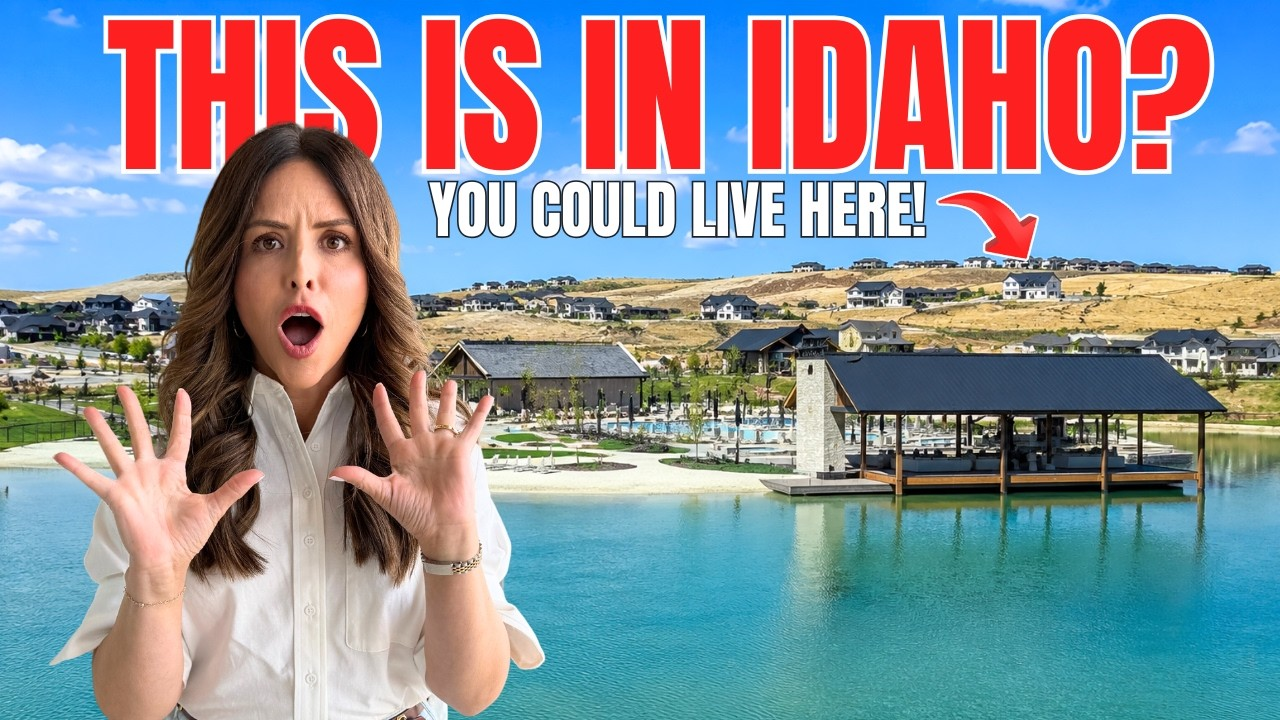
Not really. There is so much water recreation here that many people do not miss the ocean as much as they expected. Rivers, ponds, lakes, and even private beach-style settings in some communities make daily life feel far from dry.
And if you love the coast, the Oregon coast is drivable, and flights make other beach trips easy enough.
What about pro sports and entertainment?
You are not getting a giant major league sports scene, but you are not lacking for fun either. Boise State sports are huge. Minor league baseball, hockey, soccer, rodeos, and community events fill in the rest. The upside is affordability and ease. Parking is easier. Tickets are cheaper. The whole experience feels more relaxed.
Is downtown Boise becoming the next Portland or Seattle?
No. Not even close.
This question comes up because people get nervous anytime they see growth, politics, or a little urban change. But if you have spent real time in Seattle, Portland, Los Angeles, or San Francisco, the difference is enormous.
Downtown Boise is still remarkably safe by comparison. People walk around at night. Stores are open. The street environment does not resemble what many people are trying to leave behind.
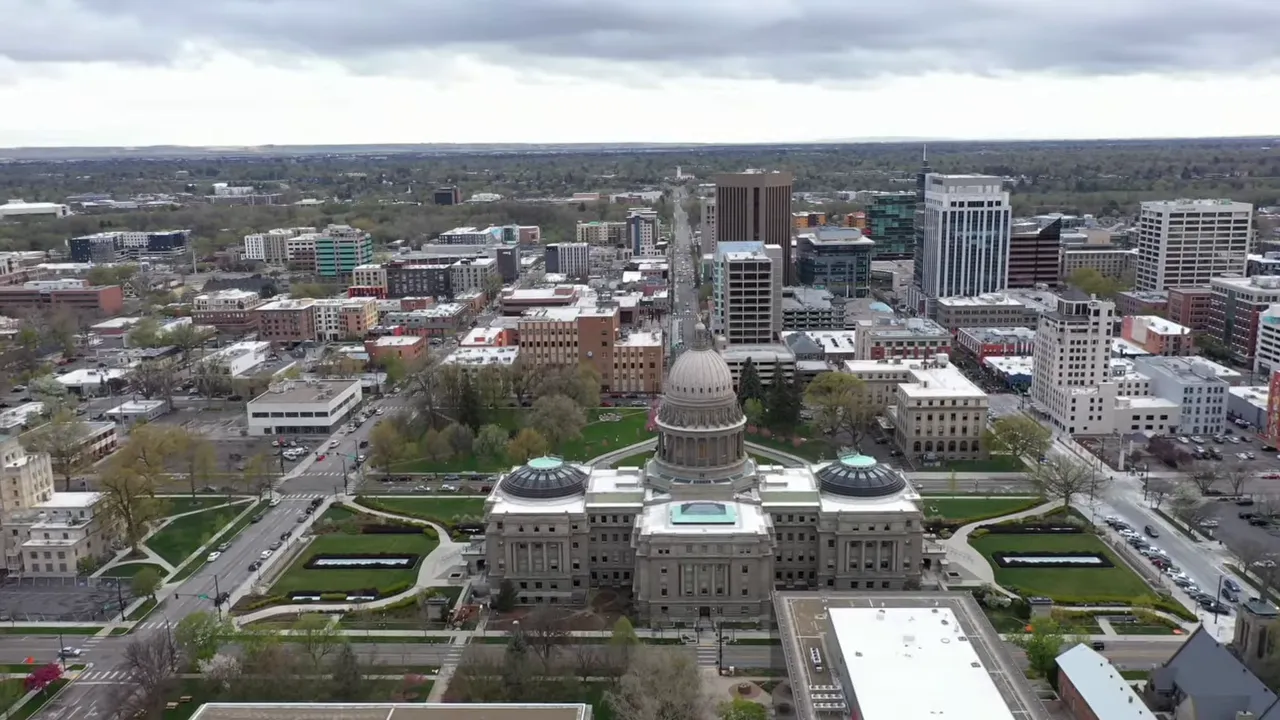
That does not mean Boise is perfect. No city is. But the claim that Boise is becoming the next Portland is not grounded in daily reality.
Ready to make your move with real answers (and avoid the wrong neighborhood/traffic pocket)? Call our team at 208-295-0405 to talk through your goals. We’ll help you find the right community in the Treasure Valley—fast.
FAQ About Moving to Boise, ID
Is moving to Boise, ID still worth it in 2026?
For many people, yes. If you want a safer, more family-oriented lifestyle with strong community, outdoor access, and lower overall costs than many West Coast markets, moving to Boise, ID still makes a lot of sense. The key is choosing the right area for your needs.
Are Californians welcome in Boise?
Generally, yes. Despite what internet comments might suggest, most people are welcoming. Many locals relocated here too. What matters more than where you came from is whether your lifestyle and values fit the community you are joining.
Is Boise affordable compared with California, Oregon, and Washington?
In most cases, yes. Home prices have risen, but property taxes, utilities, and many day-to-day costs are still lower than what many newcomers are used to on the West Coast.
Do you need four-wheel drive in Boise?
No, not for typical Treasure Valley driving. All-wheel drive is helpful in winter, but many people do fine with standard vehicles around town.
Is downtown Boise safe?
Compared with larger West Coast cities, yes. It is far from the kind of street conditions people associate with Portland, Seattle, San Francisco, or Los Angeles.
Is new construction better than resale when moving to Boise, ID?
It depends on what matters most. New construction offers customization and strong equity potential, while resale often gives you mature landscaping and more established neighborhoods.
Are there good hospitals in the Treasure Valley?
Yes. The two main systems are St. Luke’s and St. Alphonsus. Most common healthcare needs are well covered locally, though people with rare or highly specialized conditions should research carefully before relocating.
How much snow does Boise get?
Usually not much compared with northern Idaho. Winters are generally mild, with occasional snow that often melts within a few days.
Moving to Boise, ID is not for everybody. If you need nonstop nightlife, dense urban energy, or major-league-city everything, this may not be your place. If you want community, space, cleaner streets, easier access to nature, lower daily stress, and a place where neighbors still know each other, the Treasure Valley can be an incredible fit.
Just make sure you are not buying into a highlight reel or a horror story. Boise is neither. It is a real place with real tradeoffs, and for the right people, those tradeoffs are more than worth it.
READ MORE: Living in Boise, Idaho: The Reality Check Before You Move