Table of Contents
- Introduction
- 1. Development Changes the Vibe — For Better or Worse
- 2. Air Quality in Eagle, Idaho: A Seasonal Reality
- 3. HOAs in Eagle, Idaho — What to Expect
- 4. Eagle, Idaho Traffic — How Real Is It?
- 5. Living in Eagle, Idaho: The Commute to the Freeway
- 6. Sticker Shock: Why Living in Eagle, Idaho Costs More
- 7. Hard Water in Eagle, Idaho: An Everyday Challenge
- FAQs
- Closing
Introduction
Thinking about living in Eagle, Idaho means picturing wide lots, quaint main streets, and a tight knit community. That picture is true much of the time, but there are several practical realities people moving here often do not expect. Below I break down seven things you’ll want to understand before you make the leap so you can decide whether living in Eagle, Idaho fits your lifestyle and priorities.
VIEW HOMES FOR SALE IN EAGLE, IDAHO
1. Development Changes the Vibe — For Better or Worse
Many people move here for that farmstyle, small-town feel: big lots, walkable downtown, community events. Lately, development decisions have been controversial. New condos and townhomes have been built downtown and are sitting empty, and some projects have stalled. That shift alters the look and feel of central Eagle and creates frustration among long-time residents.
If you value the traditional downtown charm, keep in mind parts of the core are in transition. Developers are trying to modernize and densify, but the market response has not always matched expectations. That means construction starts and stops, and pockets of empty retail or unsold units can appear right next to the places that give Eagle its personality.
2. Air Quality in Eagle, Idaho: A Seasonal Reality
There are beautiful outdoor days here, but a few times a year the air quality drops. Two main culprits: winter inversions and wildfire smoke. Because the Treasure Valley sits in a basin, cold air can settle and trap pollutants, creating a persistent haze in the winter. In summer and fall, wildfire smoke from regional fires fills the valley.
People with respiratory issues, small children, or older adults often notice these episodes most. When planning life here, factor in occasional poor air days and how reliant your household is on outdoor activities, outdoor sports or open-air work. Air quality can affect daily life more than newcomers expect.
3. HOAs in Eagle, Idaho — What to Expect
Most of the newer neighborhoods in Eagle are planned communities with homeowners associations. If you imagined moving out to “God’s country” with no rules, you’ll want to check property types carefully. That said, many people find local HOAs helpful; they maintain common areas, organize events, and help protect property values.
If you want a totally unrestricted rural property with chickens and outbuildings, those homes still exist but are getting harder to find. If community amenities, landscaping, and shared standards appeal to you, many HOAs in Eagle are quite reasonable and community-focused.
4. Eagle, Idaho Traffic — How Real Is It?
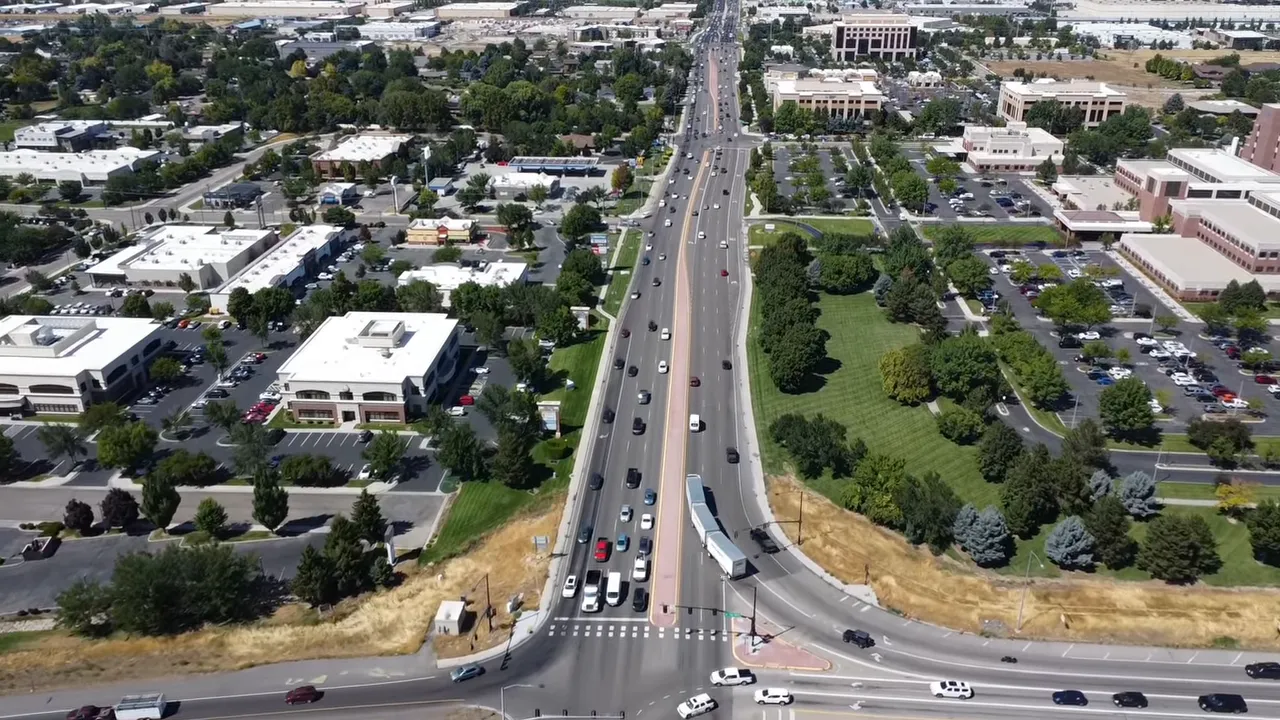
Small-town charm can come with growing pains. The roads were not built for the population boom, so two-lane highways and local arterials get congested. Depending on the time of day you travel, Eagle Road and nearby corridors can be slow and stop-and-go.
Commuting windows matter. If you work an early or late schedule you might avoid the worst of it. But if your day includes peak commute times, plan for delays that may be longer than you expect for a town this size.
5. Living in Eagle, Idaho: The Commute to the Freeway
Eagle is not adjacent to the interstate. In raw miles many places are only 8 to 15 miles from the freeway, but with traffic those miles can take 30 to 40 minutes to cover. If highway access is a daily need — for work, travel, or frequent errands — that distance will shape routines.
There are alternate routes in certain directions, but the reality is that getting to the freeway often involves navigating slow local roads. Before committing, try driving your likely commute during the real times you would travel to get a clear sense of how it feels.
6. Sticker Shock: Why Living in Eagle, Idaho Costs More
Eagle is among the most expensive suburbs in the Treasure Valley. Median prices are significantly higher than neighboring areas, and it prompts the obvious question: what are you paying for? In other markets, high prices often buy proximity to high-end shopping or sweeping acreage. In Eagle, the premium often pays for community, lifestyle, and a certain cultural alignment.
For many, living in Eagle is about values and community as much as it is about the physical property. That makes sense for some buyers and not for others. If you want the same square footage for a lower price, look a little farther out; if the community culture matters most, Eagle’s premiums may be worth it.
7. Hard Water in Eagle, Idaho: An Everyday Challenge
Almost every homeowner in the area deals with very hard water. Expect mineral buildup, drier hair and skin, and more frequent appliance maintenance. Many people install whole-house water softeners, and builders commonly rough-in plumbing so a system can be added easily.
Budget for a water softener and occasional maintenance. Without softening, you may notice shortened appliance lifespans and extra time spent scrubbing mineral deposits from showers and faucets. It is one of those practical costs that often surprises newcomers.

EXPLORE MORE NEW HOMES FOR SALE IN IDAHO
FAQs
How frequent are poor air quality days in Eagle, Idaho?
Poor air quality is seasonal. Winter inversions cause multi-day episodes in the colder months and wildfire smoke can affect the valley during late summer and fall. Year-to-year variation depends on regional fire activity and weather patterns.
Are there rural properties available if I don’t want an HOA?
Yes, rural and agricultural properties are still available, but they are less common and typically farther from downtown amenities. If you want wide acreage with fewer restrictions, expand your search beyond the newest planned communities.
Is the commute from Eagle to Boise manageable?
It depends on timing and tolerance for traffic. Off-peak commutes are generally smooth. Peak hours on Eagle Road and feeder streets can add significant time, so test routes at the times you plan to travel before deciding.
How much should I budget for water softening?
Typical whole-house water softener installations can range from roughly $4,000 to $12,000 depending on system size, brand, and whether the home is pre-plumbed. Many new builds include plumbing for a softener to simplify installation.
Why do homes in Eagle cost more than nearby towns?
Higher prices in Eagle reflect demand for community, perceived quality of life, and limited supply of desirable neighborhoods. Buyers often pay a premium for the local culture, schools, and small-town atmosphere that Eagle offers.
Closing
Living in Eagle, Idaho offers a lot: community, safety, and that small-town charm many people crave. It also requires trade-offs — from infrastructure and development changes to environmental and practical issues like hard water. If you weigh those realities against what you value day to day, you’ll be in a much better position to decide whether this town is the right fit. If you need help buying a home in Eagle or elsewhere in the Treasure Valley, contact me — call or text 208-295-0405.
READ MORE: What to Know About New Construction Homes in Valnova, Eagle, ID